
What is Osteopathy

Osteopathy is based on the certainty that all the systems of the body work together, they are related and, therefore, the disorders in one system can affect the functioning of others. It is, therefore, a practice of a holistic nature.

The treatment, which is manual, is called osteopathic manipulation, and consists of a set of practical techniques aimed at relieving pain, restoring functions and promoting health and well-being. It uses a large number of techniques (high-speed impulses and short amplitude, functional techniques, inhibitions, etc.) to recover harmony and balance.

According to its principles, through the manipulation of the musculoskeletal system, the conditions of vital organs or diseases can be cured, since this manipulation would help revitalize blood supply or return the degree of normal mobility to the damaged joint and, therefore, healing of the patient.
Beliefs
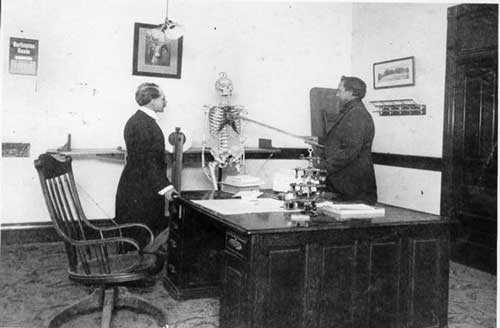
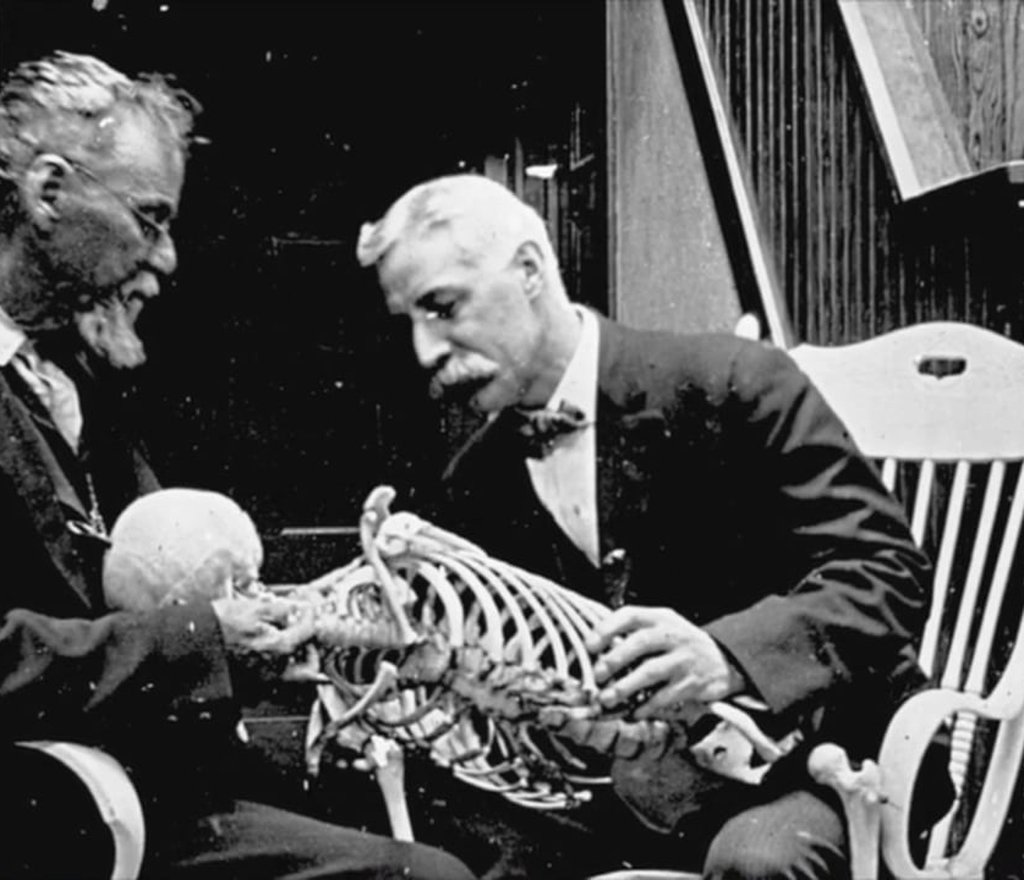
In the treatment of the disease, the osteopath is not based on electricity, neither on x-rays, nor on hydrotherapy, nor on any auxiliary means, but on osteopathic manipulations. Osteopathy sympathizes with other natural, non-toxic healing systems, but does not integrate them into your system.The birth of osteopathy On June 22, 1874, Dr. Still announced to … Read more

Osteopathy in Europe

At the end of the 19th century, John Martin Littlejohn, a brilliant Scotsman with four doctorates, enrolled in the Kirksville school. In fact, because of his work as a journalist, he had gone to said place to interview Still, given that the fame of the ‘old doctor’ had begun to spread throughout several states. Littlejohn, … Read more

Types of Techniques

Osteopathy encompasses the interaction of structural organization dynamics and metabolic activities that give rise to form and function. Recognize the wisdom and intelligence inherent within each cell. It seeks to recover what has been lost; Find the innate self-correcting principles that guide us, keep us and restore us. He contacts us which is all powerful. … Read more

Contraindications of osteopathy

Osteopaths have the responsibility to properly diagnose and refer patients when the patient’s condition requires therapeutic intervention external to the osteopath’s competence. It is also necessary to recognize the existence of specific approaches and techniques that are contraindicated under specific conditions. The contraindications identified by the community of osteopaths have grouped according to the osteopathic … Read more

Osteopathy studies

This document presents what the community of professionals, experts and regulators of osteopathy considers to be the appropriate levels and training models for the training of osteopathy professionals, as well as for dispensers and distributors. It provides benchmarks for the training of students from different backgrounds, as well as what the community of osteopathy professionals … Read more

History of osteopathy

Andrew Taylor Still was born on August 6, 1828 in a wooden hut in Lee County, Virginia. He studied the medicine from his father’s books and later worked on his father’s medical consultation. Field doctor, sometimes having to travel great distances to be close to his patients, used the usual methods of medicine at this … Read more

Indications of osteopathy

According to the World Health Organization (WHO): Among the main indications of this type of therapeutic approach, it is worth highlighting all those musculoskeletal dysfunctions that present with pain at the level of the spine and limbs and that are caused by trauma, accidents, repetitive movements, bad Postures, alterations of visceral function, stress, etc. It … Read more